Eat Sleep Fish Repeat Tumbler Wrap Design Review
First Impressions of the Eat Sleep Fish Repeat Fishing Tumbler
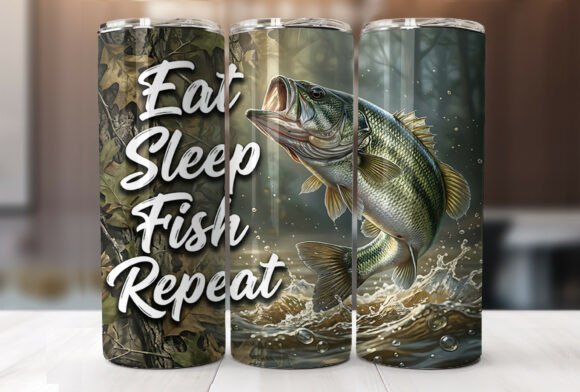
When I first opened the digital file for Eat Sleep Fish Repeat Fishing Tumbler, I was struck by its clean, playful vibe. The design feels like a perfect blend of casual fun and subtle sophistication. It's got that laid-back fishing theme with a modern twist—something that could easily transition from a weekend getaway gift to a boutique product.
The layout is straightforward but not too simple. There's a clear focal point with the text "Eat Sleep Fish Repeat" arranged in a way that invites the eye to follow along. The imagery of the fishing tumbler itself is crisp and detailed, making it feel like a real product rather than just a flat graphic. This makes it ideal for machine embroidery design where visual clarity matters.
How Eat Sleep Fish Repeat Fishing Tumbler Performs in Real Projects
As an experienced designer, I always think about how a digital embroidery file will translate onto fabric. Eat Sleep Fish Repeat Fishing Tumbler has a good balance of detail without being overly complex. It should work well on a variety of surfaces, from tote bags to sweatshirts.
If I were creating a custom embroidered tote bag for a small shop or an Etsy listing, this design would be a great fit. The bold text and recognizable imagery would make it stand out on a canvas or a dark fabric. It also has the potential to be used as a custom apparel piece for a fishing-themed brand or as a personalized gift for a friend who loves the outdoors.
For handmade product creators, especially those targeting craft business audiences, this design could serve as a go-to asset for holiday gifts or seasonal collections. It’s versatile enough to adapt to different backgrounds and fabrics, which is essential for small shop product development.
Where to Use Eat Sleep Fish Repeat Fishing Tumbler with Caution
While Eat Sleep Fish Repeat Fishing Tumbler is a strong design, there are certain scenarios where it might require extra attention. For example, if you're planning to use it on a curved surface like a cap or a hat, you’ll need to adjust the design to accommodate the shape. Similarly, when working with thin fabric or textured materials, adding a proper stabilizer becomes crucial to prevent puckering or distortion.
Small hoop sizes can be tricky, so I’d recommend testing the design on scrap fabric first. If the stitch density is too high, it might cause issues with stitch quality, especially on stretchy or delicate fabrics. Also, dark fabric backgrounds may require careful selection of thread colors to ensure the design remains visible and vibrant.
Design Notes for Embroidery Professionals
Before committing to using Eat Sleep Fish Repeat Fishing Tumbler in a project, I recommend taking a few steps to ensure the best outcome. First, test the design on scrap fabric to see how it looks in person. This will help you identify any potential issues with stitch density or thread color contrast.
Next, review the hoop size required for the design. If the file includes multiple elements, like a satin stitch outline or fill stitch details, you'll want to make sure your hoop can accommodate them. Also, consider using printable mockups to visualize how the design will look on different products before finalizing your project.
Lastly, always confirm the licensing terms before selling finished items or digital product versions of the design. As a craft business owner, protecting your rights and ensuring compliance is key to maintaining professionalism and customer trust.
Final Thoughts on Eat Sleep Fish Repeat Fishing Tumbler
Eat Sleep Fish Repeat Fishing Tumbler is a solid choice for anyone looking to add a touch of fun and personality to their embroidery project. Whether you're creating a personalized gift, designing small shop product, or building a collection for commercial embroidery, this design has the versatility and appeal to stand out.
With a few thoughtful adjustments and tests, it can become a valuable addition to your design assets library. Just remember to take the time to evaluate how it interacts with different fabrics and settings. After all, the goal is to create a finished product that looks as good in real life as it does in the digital file.