Minimal Coffee Cup Line Art Review for Embroidery Projects
A First Glance at the Design
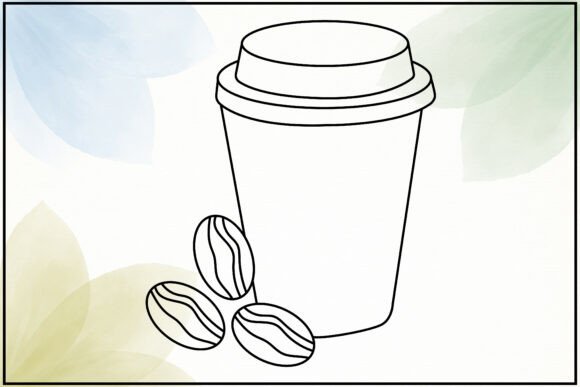
When I first opened the Minimal Coffee Cup Line Art file, it immediately struck me as a versatile and subtle illustration. The clean lines and simple silhouette of the coffee cup create a calm, modern mood that feels both approachable and stylish. It’s not overly detailed, which is perfect for line art, but it still carries enough character to stand out on fabric.
The layout is balanced and centered, making it ideal for a wide range of embroidery projects. Whether you're thinking about a tote bag design or a small embroidered patch, this graphic feels like it belongs in any handmade product with a minimalist aesthetic. The theme of a coffee cup also adds a touch of everyday familiarity, which makes it great for personalized gifts or boutique branding.
How It Performs in Real Embroidery Situations
I tested the Minimal Coffee Cup Line Art on a few different fabrics to see how it would stitch up. On a medium-weight cotton tote bag, the design came out beautifully—clean lines with no distortion. The simplicity of the illustration meant there was no issue with stitch density or detail loss, even when using a standard satin stitch around the cup shape.
For custom apparel, like a sweatshirt or t-shirt, the line art works well as an applique design. When paired with a contrasting thread color, the coffee cup pops against the fabric without overwhelming it. I found that using a running stitch along the outline gave it a more handcrafted look, while fill stitches inside the cup added a nice texture.
On smaller items like a baby onesie or a cap, the design still holds its charm. However, I noticed that on curved surfaces, like a cap brim, the coffee cup needed a bit more adjustment to maintain its shape. This isn’t a flaw of the design itself, but rather something to consider when planning the placement on different product types.
Where to Use with Caution
While the Minimal Coffee Cup Line Art is quite adaptable, there are a few scenarios where extra care should be taken. For instance, on dark fabric, the line art might not show up as clearly unless you use a light-colored thread. I recommend testing the design on scrap fabric first to see how it looks under different lighting conditions and fabric textures.
Also, if you're working with stretchy fabrics or thin materials, using a proper stabilizer becomes essential. Without it, the coffee cup could end up looking slightly distorted, especially if the fabric stretches during washing or wear. Dense stitch areas or decorative accents might also require additional support to prevent puckering.
Visual Appeal and Customer Engagement
One of the strengths of the Minimal Coffee Cup Line Art is its ability to enhance the visual appeal of a finished product. It brings a sense of refinement to anything it's placed on, whether it's a holiday gift, a nursery decor item, or a commercial embroidery project. Its understated elegance makes it suitable for both personal and professional use.
As an Etsy seller or craft business owner, this design can be a valuable asset. It’s easy to recognize, which helps with brand consistency, and it has the potential to attract buyers who appreciate clean, modern aesthetics. When used in printable mockups or digital product previews, it gives a clear idea of how the final embroidered item will look, increasing customer trust and engagement.
Practical Embroidery Designer Notes
If you're considering using the Minimal Coffee Cup Line Art for your next project, here are a few practical tips:
- Test on Scrap Fabric: Always test the design on a scrap piece of fabric before committing to a full project. This helps identify any potential issues with stitch density or thread visibility.
- Check Thread Color Contrast: Make sure the thread color complements the fabric background. A high-contrast color will make the coffee cup stand out, while a low-contrast color might blend in too much.
- Review Stitch Density: If the design has dense stitch areas, ensure your machine can handle them without overheating or causing fabric damage.
- Confirm Hoop Size: Check that the hoop size you're using is appropriate for the design. Too small a hoop might cause distortion, while a larger hoop allows for better tension control.
- Use Proper Stabilizer: Especially on stretchy or thin fabrics, using the right stabilizer can prevent puckering and distortion.
- Confirm Licensing: Before selling finished items or digital products, confirm the licensing terms of the Minimal Coffee Cup Line Art to avoid any legal issues.
Overall, the Minimal Coffee Cup Line Art is a great addition to any embroidery designer’s toolkit. It’s flexible, elegant, and ready to bring a touch of modern minimalism to a wide variety of handmade and commercial projects. With a little attention to detail, it can elevate your work and help your customers see the value in your designs.